


Who knew our annual three-generation trip would include walking among giant sequoias, feeling waterfall mist on our faces, and pushing a wheelchair to the edge of one of America’s most spectacular waterfalls? We did all that and more in Yosemite National Park.
When we first drove into Yosemite, the granite walls made the car feel small. As we looked around, waterfalls flashed white against dark rock, the Merced River moved through the meadow, and we were in awe.
Our visit in early June centered on Yosemite National Park’s scenery via scenic drives and mini-hikes, and time together. At the time of this writing, my mom is in her mid-nineties, so we didn’t build the trip around difficult hikes. But Siena and I did log some miles while pushing my mom in a wheelchair — in areas where it was too difficult for her to do with her walker.
Whether you’re planning your first Yosemite trip or returning to experience it again, this guide will help you make the most of your visit.
Key Takeaways
- Yosemite Valley offers an extraordinary first visit even without a demanding hiking schedule.
- Waterfall flow, road access, snow, smoke, and crowds can change sharply by season.
- Arriving early and leaving room for delays made our days far more relaxed.
- Staying outside the park gave us more lodging choices, but added drive time.
- Current National Park Service alerts matter more than any fixed itinerary.
Why Yosemite Valley Should Be at the Center of Your Visit
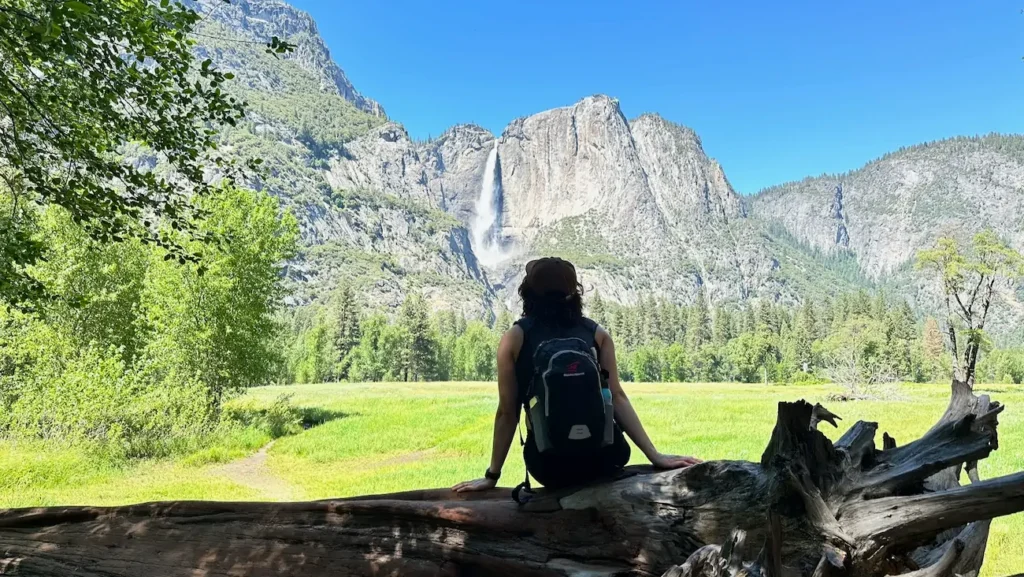
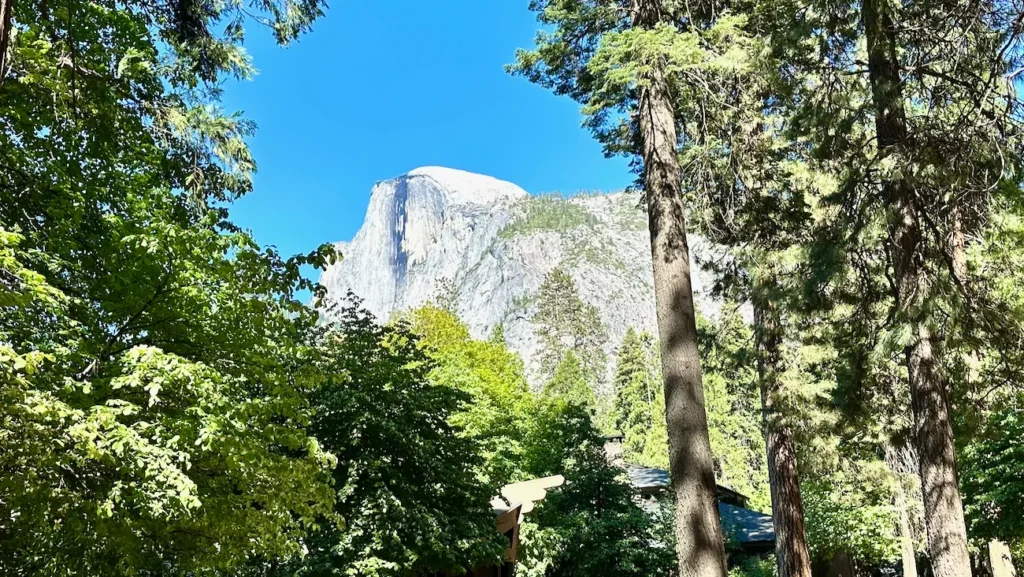
Yosemite Valley made the most sense for our three-generation trip because there’s so much natural beauty concentrated in one place. El Capitan rises almost straight from the valley floor. Half Dome appears between trees and granite walls. The Merced River adds a softer line and beckons you to slow down and simply take it all in.
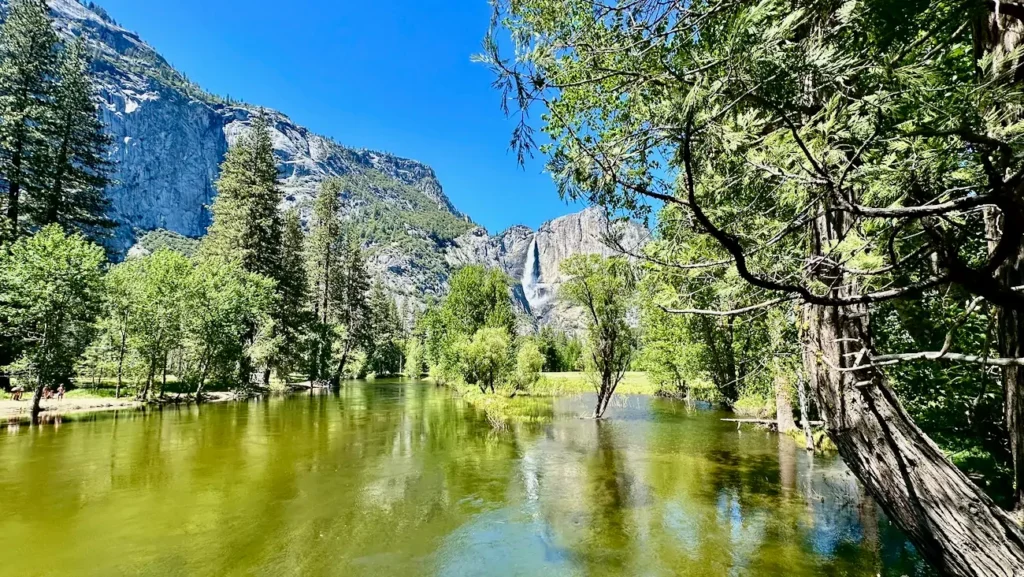
The park covers nearly 760,000 acres, but Yosemite Valley concentrates many of its best-known sights within a manageable area. We were able to see quite a lot of the park over about three days. We moved between overlooks, roadside pullouts, and brief walking paths without treating the day like a race. All of this while helping my mom with either her wheelchair or walker. So, if you’re traveling with children and strollers, you can still see a lot by car and foot.
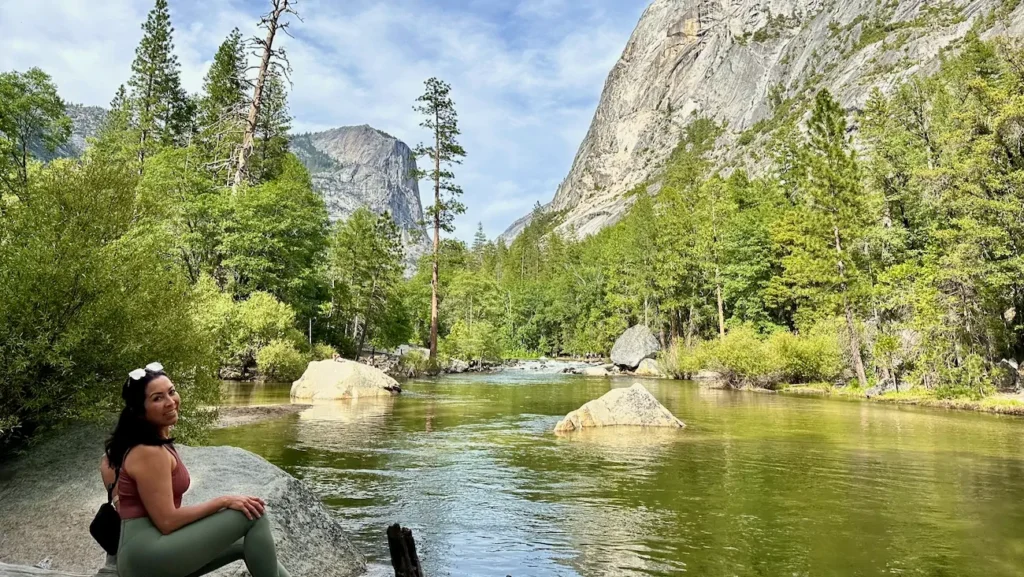
Mirror Lake
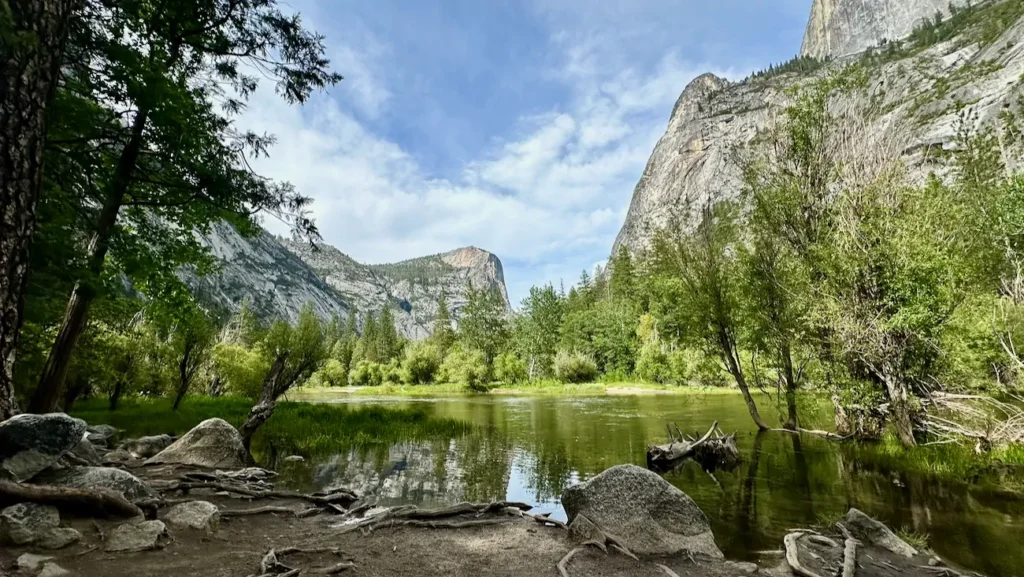
Mirror Lake was another peaceful stop, completely different from Yosemite’s roaring waterfalls. We enjoyed sitting along the water’s edge, taking in the reflections, and simply slowing down for a while. Depending on the season, Mirror Lake may look more like a broad pool or a flowing section of the Merced River, but either way, it’s a beautiful place to pause and appreciate the scenery. I remember thinking I could stay there all day.
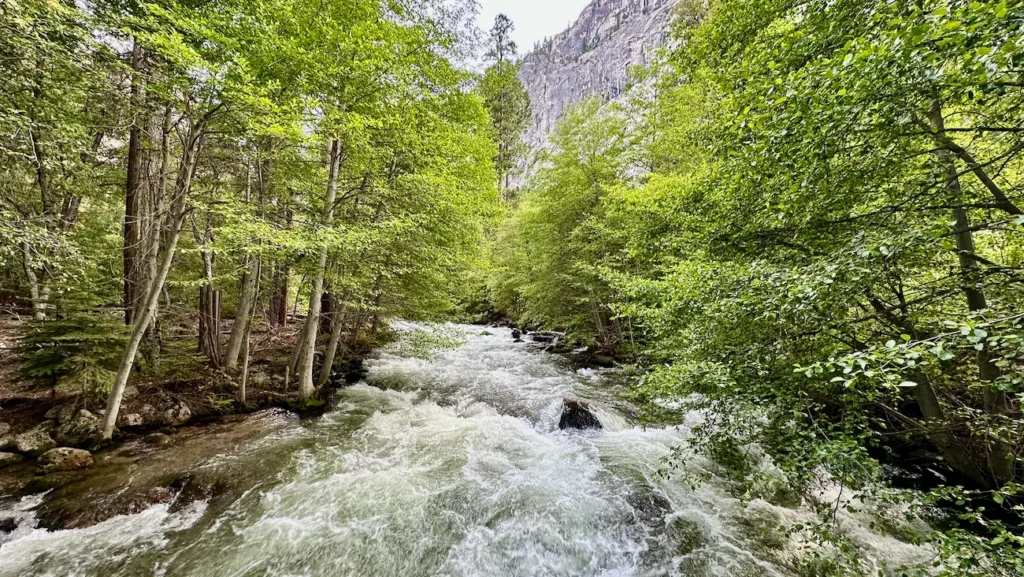
Happy Isles & Tenaya Creek
Happy Isles, where Tenaya Creek rushes through the valley before joining the Merced River, was another memorable stop. We were able to take my mom through the area using her walker, making it one of the more accessible places we visited together. We arrived close to dusk, so be prepared for mosquitoes if you’re there later in the day. Even so, the rushing water, granite boulders, and towering trees made it a beautiful place to explore and photograph. If I were to do it again, I’d visit a little earlier so we could have lingered even longer.
The Waterfalls and Landmarks That Made the Biggest Impression
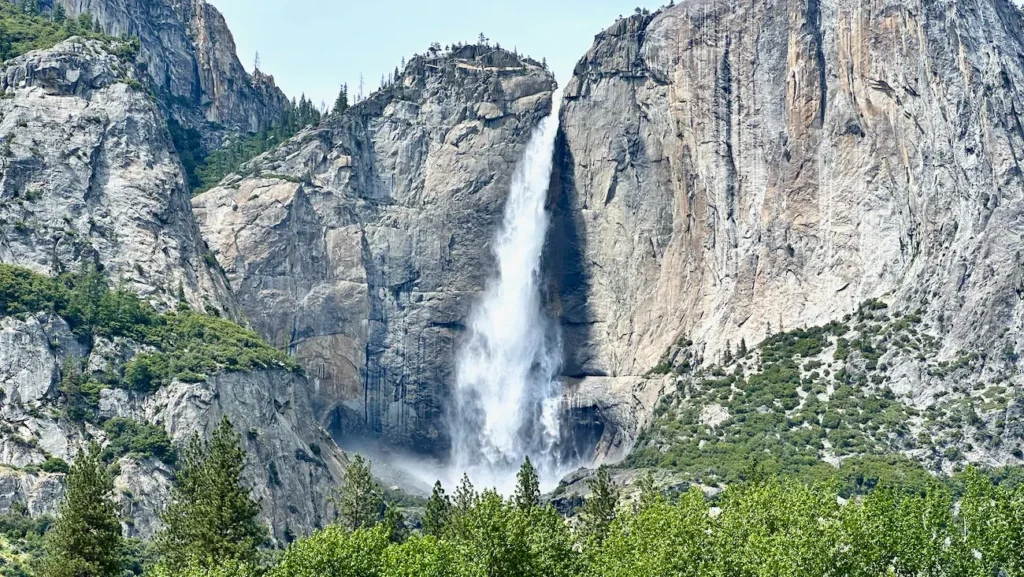
Yosemite Falls was impossible to ignore during our visit. We saw it from several points in the valley, each view changing with the angle of the cliffs and trees.
Bridalveil Fall was one of our favorite stops. It’s easy to reach, and even with the crowds, it’s worth feeling the cool mist on your face—especially on a warm day.
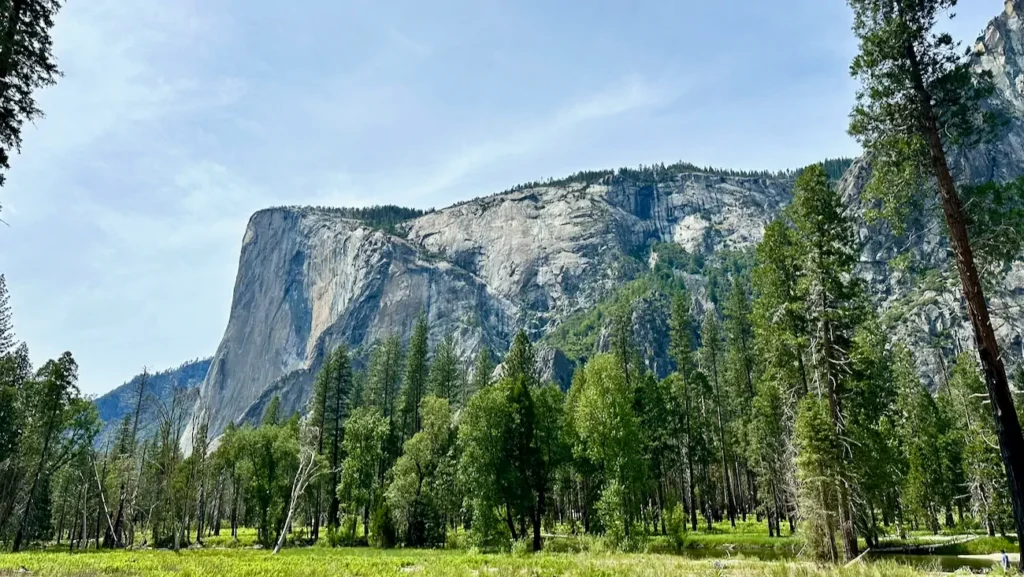
We also paused for El Capitan, Half Dome, Valley View, and Tunnel View. You can capture spectacular photos on a scenery-first day spent driving, stopping, and simply looking up. No need for long trail hikes.
I loved photographing the waterfalls against the clear blue June sky. If seeing Yosemite’s waterfalls at their most powerful is a priority, plan your visit during the peak spring runoff.
Beyond Yosemite Valley: Two Stops You Shouldn’t Miss
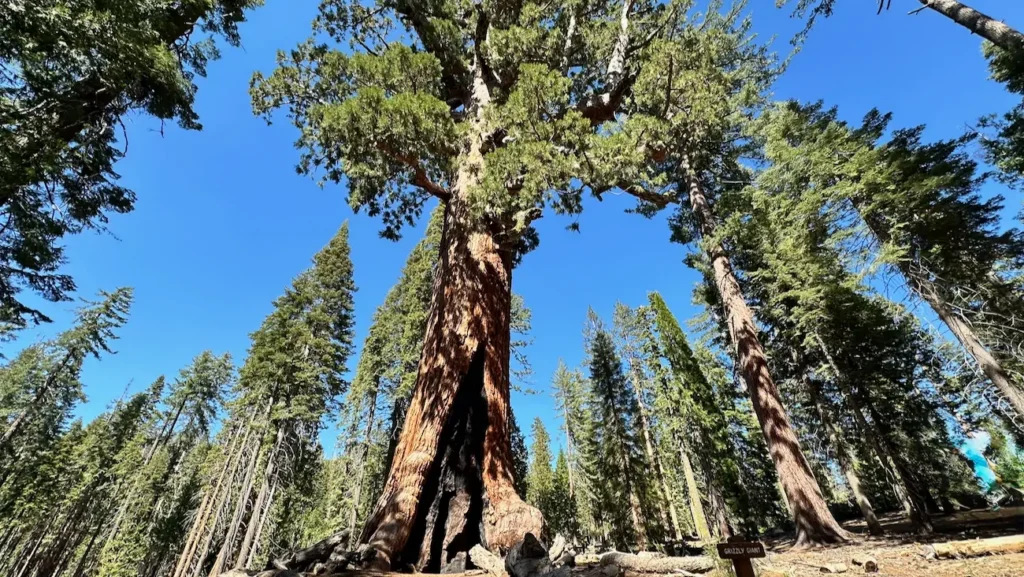
Grizzly Giant in Mariposa Grove
One of the highlights of our Yosemite trip was visiting the Grizzly Giant in Mariposa Grove. Walking among towering giant sequoias and breathing in the fresh mountain air felt completely different from exploring the park. It was peaceful, uncrowded, and well worth the drive.
Because my mom wasn’t up for the walk, we found a shaded bench where she could relax with a good book while my daughter and I explored the Grizzly Giant Loop Trail. The walk to Grizzly Giant is relatively easy, covering about a mile round trip from the Mariposa Grove Arrival Area, or about 30 to 45 minutes at a leisurely pace. If you’re starting from the Welcome Plaza, you’ll first take the free shuttle to the Mariposa Grove Arrival Area during the shuttle season. (The shuttle does not operate year-round.)
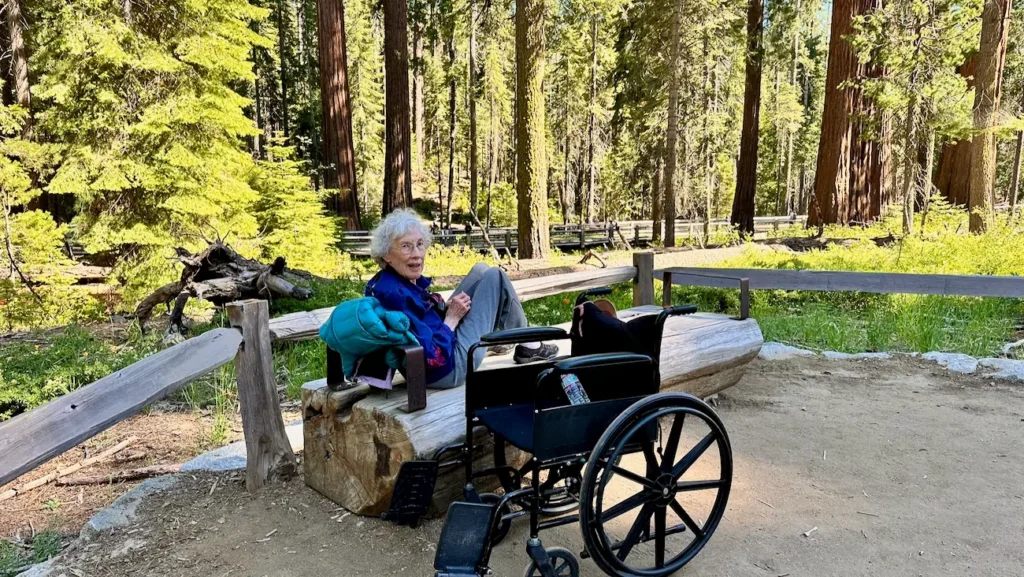
Standing beneath the Grizzly Giant is hard to describe until you experience it yourself. Estimated to be around 3,000 years old and more than 200 feet tall, this massive sequoia has survived countless fires, storms, and centuries of change. Its distinctive lean and large fire scars are reminders of just how resilient these ancient trees are.
Continuing along the loop brings you to the famous California Tunnel Tree, one of Yosemite’s most photographed sequoias. In 1895, an opening was cut through the tree to allow horse-drawn stagecoaches to pass, creating a memorable attraction for early visitors. Nearby, you’ll also see the Clothespin Tree, whose natural opening reminds visitors that nature created its own tunnels long before people did.
If you have a disabled parking placard, ask about accessible parking near the Mariposa Grove Arrival Area. It can significantly reduce the walking distance.
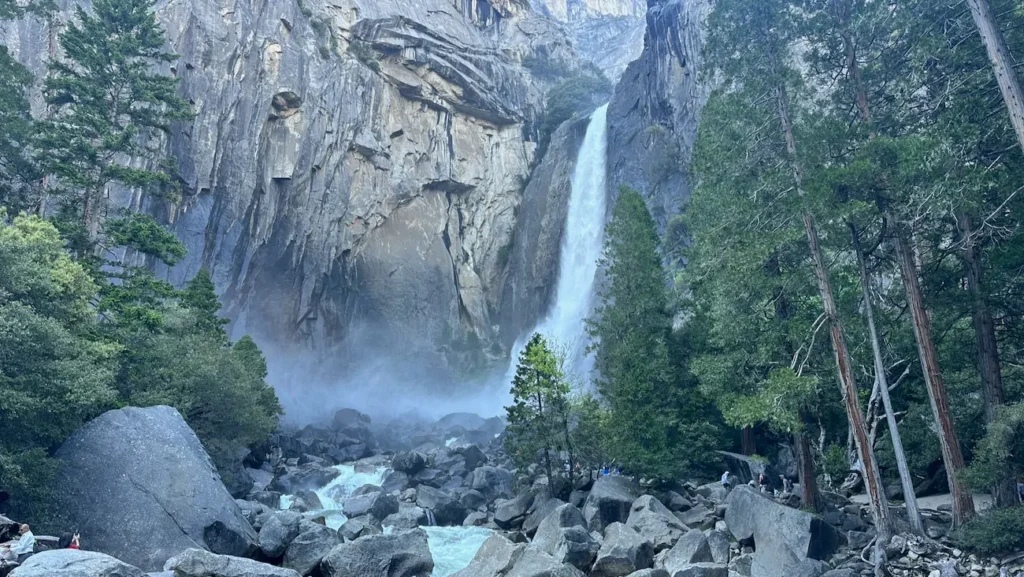
Lower Yosemite Fall
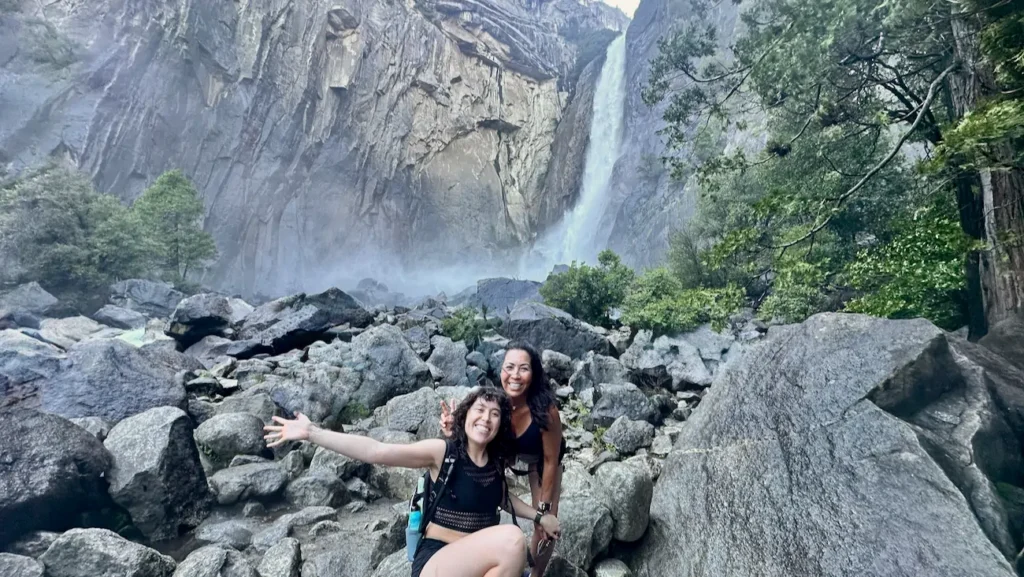
Located along the Valley Loop Trail near Camp 4, Lower Yosemite Fall was another thrilling stop in Yosemite National Park. We couldn’t resist getting a little closer. After enjoying the main viewing area, my daughter and I carefully made our way across some of the granite boulders for an even better view of Lower Yosemite Fall. Feeling the cool mist on a warm June afternoon and hearing the roar of the waterfall up close made this another favorite moment in Yosemite.
You Don’t Have to Be a Hiker to Love Yosemite
Our family found plenty to do without an extensive list of hikes. We took short walks, photographed the valley walls, watched the river, and gave ourselves time to linger at viewpoints rather than rushing toward the next stop.
Even though we traveled some of the same roads over and over, we spotted new things each time.
Check the park’s accessibility information to confirm current options before traveling.
The Scenic Drives and Viewpoints Worth the Ride
The drive into Yosemite is part of the experience. Highway 41 builds anticipation as it winds toward Tunnel View before descending into Yosemite Valley. Once inside, the loop roads connect many of the park’s most iconic stops, though traffic can turn a short distance into a slow crawl.
Tunnel View
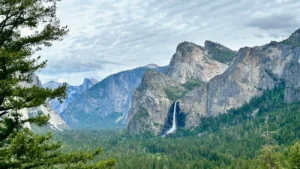
Tunnel View is the classic first look: El Capitan on one side, Bridalveil Fall on the other, and Half Dome framed in the distance. It is easy to reach by car, which also means it can be crowded. Everyone stops to take a picture. Early morning or late afternoon may offer better parking, but the weather still determines the clarity of the view.
Glacier Point
Glacier Point sits much higher and offers a wider perspective across the valley. Reaching it requires a drive when Glacier Point Road is open. Then you can explore more and stop at the overlook. For our trip, Tunnel View fit naturally into the day, while Glacier Point depended on road access and time.
Driving Tips
We stayed outside the park and drove in every day, so we immediately felt the effects of congestion. Entrance lines could delay the morning, and traffic inside the park added uncertainty once we reached Yosemite Valley.
Arriving early helped, as did allowing more time than the map suggested. We avoided tightly stacking distant stops because parking and shuttle waits can quickly disrupt the day’s rhythm.
LFM Travel Tip: Pack water and snacks. You can buy food once inside the park, but if you’re stuck in traffic, it could be a while before you reach a restaurant or snack stand.
Before your visit, check Yosemite’s official road status and traffic updates for current conditions.
The Best Time to Visit Yosemite Depends on the Experience You Want
Depending on when you visit Yosemite, the experience can be quite different. Spring often brings the strongest waterfall flow, while summer usually opens more high-elevation roads and draws the largest crowds. Fall can feel calmer, but waterfalls can be reduced. Winter often brings snow-covered roads and closures, creating a quieter valley with fewer roads to travel. Snow can close roads well beyond winter, especially at higher elevations.
We visited in early June, when the valley felt green, and the waterfalls had real force. However, that timing also brought busy roads, full parking areas, and a longer drive into the park each morning.
Since we were staying outside of Yosemite National Park, we had about a 45-minute drive in. The drive itself was beautiful, so I didn’t mind it, but if you’re planning full days of hiking, I’d recommend staying closer to the park or inside it.
Wildfire smoke can affect visibility and air quality in warmer months. Before heading into the park, I would always check the current Yosemite conditions, because access can change fast.
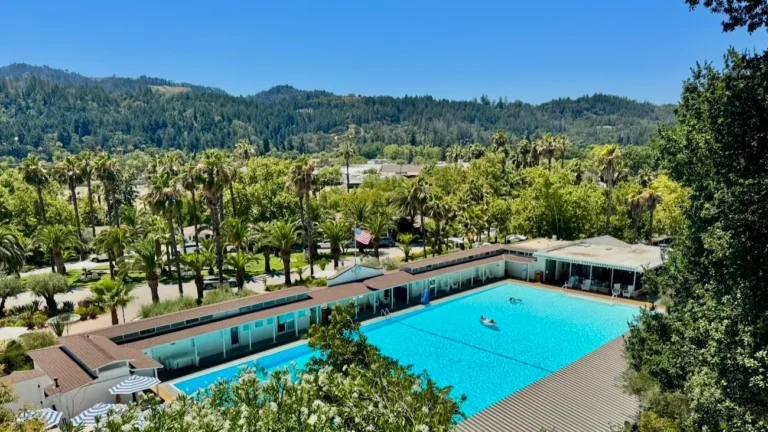
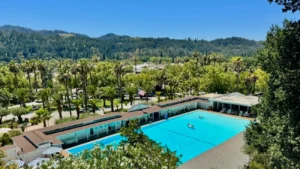
Yosemite also pairs well with a few days in California wine country. We combined another Northern California adventure with a stay at Indian Springs Calistoga, famous for its historic mineral pools and relaxing spa.
Where to Stay and How to Plan Meals in Yosemite
Staying inside Yosemite shortens the morning commute and makes it easier to catch sunrise or evening views. However, rooms can be limited and expensive. Gateway communities outside the park offer more lodging options, but the distance to a chosen entrance matters more than the town’s name.
We stayed outside the park, which gave us flexibility in lodging but required earlier starts. We planned around the drive instead of pretending it didn’t exist.
If you’re planning a longer Northern California road trip, we also loved staying at the Stanford Inn by the Sea in Mendocino, one of our favorite wellness-focused resorts in California.
What Staying Outside the Park Changed for Our Daily Plans
Each morning began with fuel, water, snacks, and a check of our route. Entrance delays and valley traffic made precise schedules unrealistic, especially during busy periods. We left room for a slow arrival and accepted that one great stop was better than three rushed ones.
A full gas tank matters because services are spread out. Cell service can also fade in the park, so I saved directions and park information before leaving our lodging.
Eating Inside the Park and Planning a Dinner After Sightseeing
Dinner inside Yosemite was a welcome break after hours of driving and sightseeing. It gave us a chance to sit down before the evening drive back outside the park, rather than treating food as an afterthought.
Restaurant hours, reservations, seasonal service, and dietary choices can change. We also packed food for the day because options may be crowded or far from the point where hunger hits. A picnic can be practical, but food must be stored properly around wildlife.
What to Know Before Visiting Yosemite National Park
I would plan Yosemite around flexibility. Current entrance rules, reservations, road conditions, weather, and shuttle operations should all be checked close to departure. The National Park Service trip-planning page lists changing requirements and safety information.
A simple preparation list kept our days easier:
- Check alerts, road conditions, entrance requirements, and weather before departure.
- Pack water, snacks, layers, sunscreen, hats, and comfortable walking shoes.
- Carry a paper map or downloaded directions when possible.
- Keep distance from wildlife and store food correctly.
- Leave no trace at overlooks, riversides, and picnic areas.
The Planning Mistakes That Can Make a Beautiful Day Harder
Arriving late can mean long waits at the entrance and scarce parking. Assuming every road is open can erase half a day’s plan. Relying only on phone service creates trouble when the signal disappears. This happened frequently.
We also avoided trying to reach every famous viewpoint in one day. Some of our favorite stops included Grizzly Giant, Lower Yosemite Fall, and food and ice cream breaks at Camp Curry. Yosemite looks close on a map, yet traffic, parking, and winding roads stretch the clock. We chose to visit over three days with a relaxed plan that gave us time to enjoy the places we reached.
Frequently Asked Questions About Visiting Yosemite
How many days are enough for Yosemite National Park?
One day can cover Yosemite Valley’s major scenery, waterfalls, and overlooks, but I strongly recommend more days. Two days allow more breathing room, a scenic drive, or time to adjust for traffic and weather. A longer stay works best for visitors who want high-country routes, longer trails, or a slower pace.
Our three-generation trip focused on scenery rather than extensive hiking, and even then, more time would have meant less pressure to drive. Yosemite is so beautiful that I could have happily stayed a few more days.
What are the easiest Yosemite sights to see without a long hike?
Tunnel View, Valley View, El Capitan Meadow, Yosemite Falls viewing areas, Bridalveil Fall, and many valley pullouts offer substantial scenery with limited walking. Glacier Point is also accessible when the road is open.
Trail access, parking, shuttle availability, and accessibility details can shift, so official park updates should guide final plans.
Is Yosemite worth visiting if hiking is not the main goal?
Absolutely! Our experience made that clear. Granite cliffs, waterfalls, rivers, forests, scenic roads, and overlooks gave us a full visit without having to attempt strenuous trails.
Some perspectives require longer walks, and hikers will find far more to explore. Still, Yosemite’s most immediate visual power is available in many places where a family can simply park, walk a short distance, and look around.
A Yosemite Visit Is Better When It Has Room to Breathe
Our three-generation Yosemite trip worked because we accepted its practical limits. We drove in from outside the park, waited through some delays, adjusted plans around traffic, and made dinner inside the park part of the experience rather than one more task.
The waterfalls and granite walls carried the day, but the unhurried moments mattered too. Yosemite is about pausing, looking up, staying a while, and letting the valley set its own pace. It’s so different from our busy lives at home, and that’s the true beauty of Yosemite National Park.
If you love destinations that inspire you to slow down and reconnect with nature, you’ll also enjoy our stay at Enchantment Resort Sedona, where the dramatic red rocks create a similarly unforgettable sense of place.