









A few years ago, if you had asked me how much protein I was eating, I probably couldn’t have told you.
Today, I do a much better job of eating high-protein foods to build muscle because I know that having more muscle helps keep my metabolism up, increases my mobility, and supports my joints.
My fitness routine has stayed pretty much the same over the decades. I walk, hike, practice yoga, ride my Peloton, and generally try to make healthy food choices. But like a lot of people, I focused more on calories and the number on the scale than whether I was actually eating enough protein. Even though deep down inside I knew protein intake fueled my body and helped me get stronger.
For some reason, I just kept chasing calorie intake.
That changed when I started paying closer attention to strength training and body composition. I got away from lifting weights for a while and came back into it in my 50s.
Building and maintaining muscle isn’t just about what happens at the gym. It’s also about what happens in the kitchen. The saying, “Abs are made in the kitchen, not the gym,” is mostly true. And while there’s no shortage of protein powders, supplements, and social media advice, the truth is that many of us can get much of the protein we need from everyday foods.
Over the past few years, I’ve experimented with everything from homemade protein shakes made with soy milk and tofu to Greek yogurt, edamame, salmon, eggs, and other high-protein foods that fit into real life. And while I’m not a vegan, I do lean into plant-based eating. That makes finding high-quality plant protein sources especially important.
Some days, I grab a protein shake after a workout. Other days it’s salmon, a yogurt bowl, or a simple meal with tofu and vegetables.
We’re not shooting for perfection; just make each meal count toward ensuring that your body has the nutrients it needs to recover, stay strong, and support an active lifestyle.
It doesn’t have to be complicated. Below, I discuss some of the best high-protein foods for muscle gain and how to include more of them in your day. I once had a trainer tell me, “When you find a nutritious, balanced, high-protein meal, eat it every day!”
It’s kind of like Steve Jobs’ philosophy of owning multiple shirts that all look the same. He had a dress code to avoid “decision-fatigue,” so he stayed focused on what really matters.
The point is to make life easier by making fewer choices that support our end goal. In our case, how can we eat more high-quality protein to grow muscle? But first, how much does protein really matter?
Why Protein Matters
Protein has become one of the hottest topics in fitness and nutrition, and for good reason.
If you’re trying to build muscle, maintain strength, recover from workouts, or simply stay active as you get older, protein plays an important role. I noticed how important protein became when I was recovering from bunion surgery. You can read what no one tells you about the recovery process in that blog.
When you challenge your muscles through strength training, cycling, hiking, yoga, running, or other forms of exercise, your body begins a repair process. Protein helps provide the building blocks needed to repair and maintain muscle tissue.
But protein isn’t just for people trying to get bigger muscles.
It’s also important for:
- Recovery after exercise
- Maintaining lean muscle mass
- Supporting mobility and strength
- Feeling satisfied after meals
- Supporting an active lifestyle
One thing I’ve learned is that muscle becomes increasingly important as we age. Most people don’t think about preserving muscle until they start noticing that certain activities feel harder than they used to.
That’s one reason strength training has become a bigger part of my routine in recent years.
I’m not trying to become a bodybuilder, but I do want to stay strong and fit as I age.
Protein helps support that goal.
How Much Protein Do You Really Need?
This is where things often get confusing.
Spend five minutes on social media, and you’ll find people recommending everything from modest protein intake to amounts that seem nearly impossible to consume.
The reality is that protein needs vary depending on factors such as body size, activity level, age, and fitness goals.
If you’re strength training regularly or trying to build muscle, you’ll generally need more protein than someone who is mostly sedentary.
Current 2026 guidance for active adults generally ranges from 0.7 to 1.0 grams of protein per pound of body weight per day, which is well above the minimum recommendation for sedentary adults.
For a 180-pound person, that works out to roughly 130 to 180 grams of protein per day.
People trying to lose body fat while maintaining muscle often benefit from the higher end of the range, as eating fewer calories can increase the risk of losing lean mass. Those who are eating enough calories to support muscle growth can often do well closer to the lower end.
Body size, age, training volume, and fitness goals all influence protein needs, but for most active adults, consistency matters more than chasing a perfect number.
For muscle gain, the daily total still matters most. Aim to consume enough protein throughout the day to support recovery, maintain muscle, and help stimulate growth.
Rather than obsessing over exact numbers, I’ve found it more helpful to focus on including a quality protein source throughout the day. Three to five meals usually work well for active people. In practice, that often means roughly 25 to 40 grams of protein per meal, adjusted for body size and appetite. Saving most of the day’s protein for dinner is less effective than placing solid amounts at breakfast, lunch, dinner, and one or two snacks.
For example:
Breakfast might include tempeh scramble with veggies, eggs, Greek yogurt, or a protein smoothie.
Lunch could feature salmon, chicken, tofu, or beans.
Dinner might include fish, turkey, lentils, or another protein-rich option.
And snacks can contribute too.
A yogurt bowl, edamame, cottage cheese, roasted chickpeas, nuts, or a protein shake can all help close the gap.
For many people, the challenge isn’t that they need a complicated nutrition plan.
It’s simply that they’re not consistently eating enough protein.
Best High-Protein Foods for Muscle Gain
When people think about protein, they often jump straight to protein powders.
There’s nothing wrong with many protein powders, but whole foods deserve most of the attention.
Many high-protein foods provide other valuable nutrients, including vitamins, minerals, fiber, healthy fats, and antioxidants.
Let’s start with some of the most popular options.
Animal-Based Protein Sources
Eggs
Eggs remain one of the most convenient protein sources available.
They’re versatile, affordable, and easy to include at breakfast, lunch, or dinner.
Whether you enjoy them scrambled, hard-boiled, poached, or added to a breakfast sandwich, eggs provide high-quality protein in a relatively small package.
Greek Yogurt
Greek yogurt has become one of my favorite ways to add protein without much effort.
It works as a breakfast, snack, or even a post-workout option.
Top it with berries, chia seeds, hemp hearts, or nuts for a protein-rich meal that feels more satisfying than many processed snacks.
Salmon
Salmon offers a combination of protein and heart-healthy omega-3 fats.
It’s one of those foods that checks a lot of boxes at once.
A simple salmon fillet paired with vegetables and a grain can create an easy meal that supports both recovery and overall health.
Chicken and Turkey
Lean poultry remains a staple for many active adults because it’s versatile and protein-rich.
From salads and sandwiches to grain bowls and stir-fries, chicken and turkey fit easily into a wide range of meals.
Cottage Cheese
Cottage cheese has made a comeback in recent years, and for good reason.
It’s rich in protein, requires no preparation, and can be eaten sweet or savory depending on your preference.
Can You Build Muscle On A Plant-Based Diet?
One of the biggest misconceptions in fitness is that you need to eat large amounts of meat to build muscle.
You don’t.
Plant-Based Protein for Muscle Gain
I’ve incorporated more plant-based foods into my diet over the years and even founded The Plant-Based Diet website after earning a certificate in whole-food, plant-based eating. I’ve found plenty of ways to increase protein intake from plant sources while still supporting strength training and muscle recovery.
Soy foods, including tofu, tempeh, edamame, soybeans, and soy milk, are some of my favorites because they’re versatile, convenient, and naturally high in protein. Beans and lentils are also nutritional powerhouses because they provide both protein and fiber.
The key isn’t choosing between plant proteins and animal proteins. The goal is finding protein-rich foods you’ll enjoy eating consistently. Then do it on repeat!
Best Plant-Based Protein Sources
Tofu
Tofu is one of the most versatile protein foods available. I always have it in the house.
I like to blend silken tofu into smoothies, add firm tofu to stir-fries, or bake, grill, or crumble it into scrambles.
It’s an easy way to boost protein without dramatically changing a meal’s flavor.
Edamame
Edamame is one of my favorite high-protein snacks.
It’s convenient, satisfying, and provides both protein and fiber.
Soy Milk
Many people are surprised by how much protein soy milk contains compared with other plant-based milks.
I use it daily in my smoothies and protein shakes.
Lentils, Beans, and Chickpeas
These pantry staples provide protein, fiber, and complex carbohydrates.
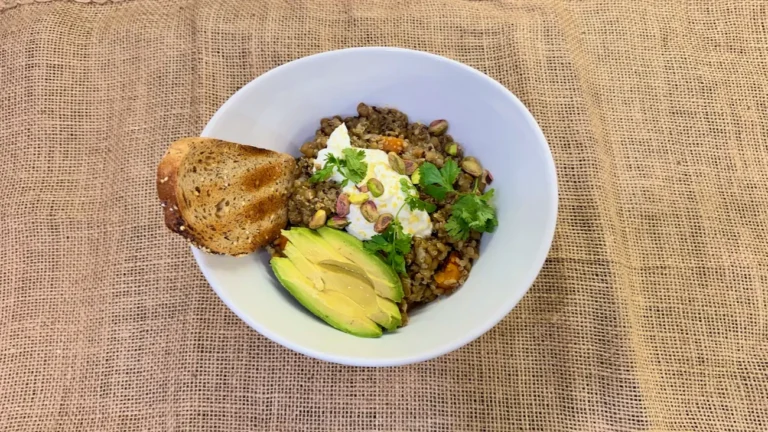
They’re inexpensive, versatile, and easy to add to soups, salads, grain bowls, and side dishes. And I just love a bowl of lentils with a dollop of hummus.
Hemp Seeds and Chia Seeds
These small additions can make a meaningful difference.
Sprinkle them on yogurt, oatmeal, smoothie bowls, or salads for an extra protein boost. Chia seeds are an excellent source of fiber, too. I love this Chia Seed pudding recipe.
Quinoa
Unlike many grains, quinoa contains all nine essential amino acids, making it a valuable addition to meals for people looking to increase their protein intake. I often use quinoa as the base for many meals, including protein bowls, salads, and breakfast burritos.

Protein Shakes and Smoothies
Store-bought protein shakes and protein powders can also be useful when time is short or a full meal isn’t practical. Still, I think of protein powders as support tools, not the foundation of a healthy diet. Whole foods bring much more to the table than protein alone, including fiber, healthy fats, vitamins, and minerals. Protein powders can help fill the gaps, but real food should do most of the heavy lifting. Protein powders do not replace the iron you get from meat, the omega-3 fats from salmon, or the calcium and potassium found in dairy.
But a whole-foods, protein-rich smoothie made with Greek yogurt, milk, fruit, and chia seeds, or one thickened with silken tofu, often does more than a protein powder.
Another reason I prefer homemade protein shakes is because I can control the ingredients.
A typical smoothie might include:
- Soy milk
- Silken tofu or avocado
- Banana
- Chia seeds
- Hemp hearts
- Berries
- A date for a little more sweetness
Sometimes I’ll add Greek yogurt. Other times, I’ll keep it completely plant-based.
Store-bought protein shakes can also be useful, especially on busy days when convenience matters.
You don’t have to choose between protein shakes and whole foods; just find ways to consistently get enough protein and nutrients in your shake.
Don’t Forget About Fiber
As protein has become the star of the nutrition world, it’s easy to overlook another nutrient that deserves attention: fiber.
For years, I didn’t pay much attention to my fiber intake. As a result, my digestive system constantly struggled until I found the sweet spot, about 30 grams per day, or even a little more.
One advantage of including foods such as beans, lentils, edamame, hemp seeds, chia seeds, fruits, vegetables, and whole grains in a high-protein eating plan is that they provide both protein and fiber. That’s important because most Americans don’t get enough fiber in their diets, even though it supports digestive health, blood sugar management, heart health, and satiety.
For me, the goal isn’t simply to eat more protein. It’s to build meals that support overall health. A high-protein diet shouldn’t come at the expense of fiber because you want and need both.
Including foods like lentils, beans, broccoli, nuts, berries, and quinoa alongside protein-rich foods such as tofu, salmon, eggs, or Greek yogurt helps create a more balanced approach that supports muscle recovery, healthy aging, and long-term wellness.
How to Build Meals that Support Strength and Recovery
Protein works best when eaten with enough total food. Hard training depends on carbohydrates, because your muscle glycogen fuels repeated effort. Recovery also stalls when calories stay too low, even if protein intake looks strong on paper.
That is why effective muscle-building meals usually look ordinary. They pair a strong protein source with starch, produce, and some fat. Recovery is a full-nutrition process, not a single-nutrient fix.
Simple Meal Pairings That Work After Training
Once you understand the formula, putting meals together becomes much easier. Chicken with rice covers protein and easy-to-digest carbs. Eggs with toast do the same at breakfast. Greek yogurt with fruit works when appetite is low, because it adds protein, carbs, and fluid in a small volume.
The same logic explains why salmon with potatoes works so well, or why tofu with noodles is more useful than tofu alone. These meals refill energy stores and provide amino acids for repair. They also fit into normal schedules, which is why they last longer than rigid bodybuilding menus.
Common Mistakes That Slow Muscle Gain
One of the most common mistakes is simply not eating enough overall. Many active adults focus on protein while unintentionally falling short on the calories needed to recover from training and support muscle growth.
Another mistake is relying too heavily on a single protein source, whether that’s chicken, protein shakes, or a favorite go-to food, while losing variety and fiber in the process. That can narrow the diet and crowd out important nutrients found in fish, dairy, legumes, eggs, tofu, fruits, vegetables, and whole grains.
Skipping carbohydrates is another common problem. Training quality often suffers when you don’t eat enough carbs, and when it comes to building muscle, consistent workouts and balanced nutrition matter far more than any supplement.
Long gaps between meals can also slow progress. If five or six hours pass with very little protein, recovery becomes harder to support, especially during periods of heavier training.
Explore the Live Fit Magazine Fitness & Wellness Shop for protein powders, fitness gear, recovery tools, and wellness essentials.
The Steady Pattern Matters Most
Learning to eat more protein wasn’t about becoming obsessed with macros. I realized that if I wanted to stay strong, maintain muscle, recover from workouts, and continue doing the things I love, my body needed the right building blocks.
Protein is just one piece of the puzzle. Strength training, mobility, recovery, sleep, and nutrition all work together, which is why I included muscle preservation as one of The New Rules of Midlife Wellness.
The best high-protein foods are usually the ones you’ll actually eat on a regular basis, and eating more frequently allows you to get the right amount of protein in each meal.
Remember, strength is built in the gym, but recovery is built in the kitchen, one ordinary meal at a time.